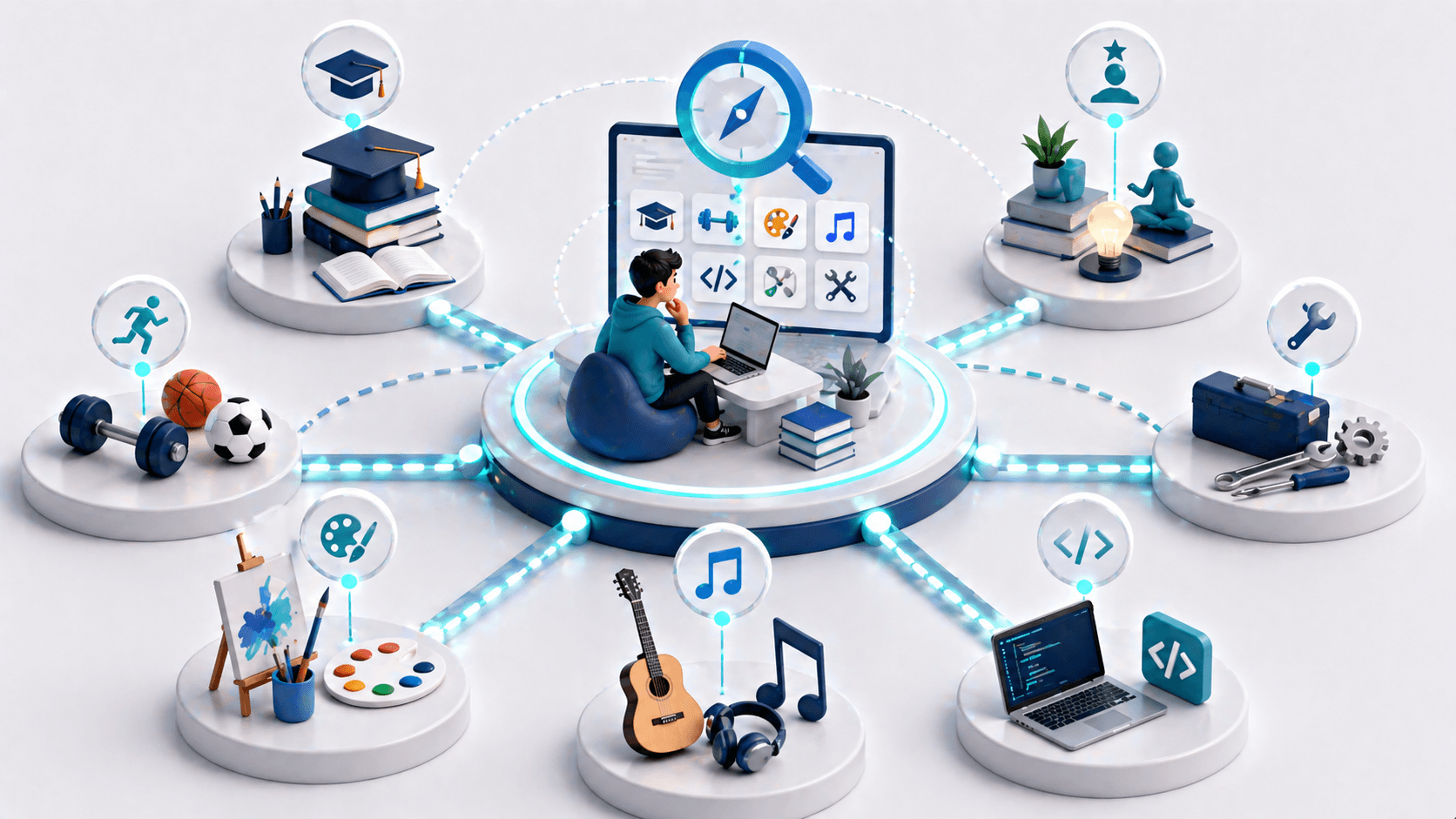
Commission-free models matter in private education because the way a platform makes money shapes how it behaves. In categories built around recurring trust-based relationships, a commission-heavy structure can create unnecessary friction. A commission-free or lower-friction model can shift the platform's focus away from extracting value from each session and toward improving discovery, visibility, and match quality.
Why monetization affects product behavior
A platform's business model is not separate from its product design. It influences what the platform optimizes for.
If a platform earns the most by taking a cut from each lesson, it may become more focused on transaction capture than on long-term educational quality. That can affect:
- pricing transparency
- user trust
- tutor incentives
- platform dependency
- willingness to keep activity inside the platform
In other words, monetization logic shapes user experience more than many platforms admit.
Why private education is a sensitive category for commissions
Private education often involves long-term repetition rather than one-time transactions. A student may work with the same tutor across weeks or months. That creates a relationship with continuity, trust, and routine.
In that kind of environment, heavy commissions can feel unnatural because:
- the platform is not delivering the lesson itself
- the value of the relationship grows over time
- repeated extraction can create tension
- users may look for ways to move outside the system
This makes private education different from categories where one-off transactional take rates feel more natural.
How commissions can create friction
Commission structures may introduce friction in several ways.
Price distortion
Tutors may raise prices to offset commissions, which makes tutoring less transparent or less accessible.
Platform avoidance
Families and tutors may try to leave the platform once contact is established.
Incentive misalignment
The platform may prioritize transaction volume over match quality.
Trust erosion
Users may feel the platform is acting more like an extractor than an enabler.
These are not theoretical risks. They are common side effects in categories where relationships continue after discovery.
What a commission-free model changes
A commission-free model forces a platform to justify itself in a healthier way.
Instead of asking: "How do we take a cut of every lesson?"
it must ask: "How do we create enough value in discovery, trust, visibility, and structure that people want to use this system?"
That shift can be good for platform quality.
It pushes the platform to invest more in:
- better discovery tools
- stronger tutor visibility
- clearer comparison logic
- more trustworthy profiles
- less friction in decision-making
Why this can be better for families
Families generally want:
- clear pricing
- trustworthy tutor discovery
- less uncertainty
- fewer hidden incentives
- long-term educational fit
A commission-free structure can support these goals by making the platform feel more transparent and less extractive. It lets the platform behave more like a decision-support system than a tollbooth.
Why this can be better for tutors
Tutors also benefit when the platform's value is based on visibility and fit rather than continual extraction.
That can create:
- more predictable economics
- lower friction around retention
- less pressure to circumvent the platform
- more trust in the platform's role
- better incentive alignment with long-term use
This can make the platform feel more like a partner in discovery rather than a tax on continuity.
Why this matters for Tutoryum
Tutoryum is based on the idea that private education needs better discovery infrastructure. If the platform's primary value is helping the right tutors become visible to the right students and parents, then the business model should support that role.
A commission-free or low-friction model is therefore not just a pricing choice. It is part of product philosophy.
Commission-free models matter in private education because they can create healthier incentives for platforms, tutors, and families alike. In a market built around recurring trust-based relationships, the strongest platform model may be the one that focuses on match quality and visibility rather than extracting value from every ongoing session.