Kapseller LLC
TutoryumApril 2, 20267 min read

Why Discovery Problems Still Exist in Education Platforms

Education has become more digital, but finding the right instructor still depends too much on weak discovery systems and unstructured trust.

Kapseller
KeşifGüven

Education has become more digital, but discovery in education is still far from solved.

At first glance, the market appears crowded with options. There are tutor platforms, course marketplaces, coaching services, local instructor listings, and social-media-driven education offers. Supply is visible. Profiles are online. Search exists. Filters exist.

And yet users still struggle to find the right educational fit.

That is the real issue.

The problem is not simply that education remains offline. The problem is that many education platforms digitize visibility without building strong systems for discovery, trust, and fit.

More Tutor Profiles Do Not Mean Better Discovery

A common assumption in education products is that if enough instructors are listed, users will eventually find someone suitable.

That logic is weak.

A student or parent is not just looking for an instructor. They are trying to find the right one for a specific learning need. That decision usually involves more variables than generic platform design accounts for.

Users may care about:

  • subject,
  • grade level,
  • exam focus,
  • teaching style,
  • lesson format,
  • schedule compatibility,
  • language,
  • experience,
  • communication quality,
  • credibility,
  • price expectations,
  • and location or delivery method.

When those variables are poorly structured, discovery becomes harder than it should be.

The platform may contain many tutors while still failing to help users make a confident decision.

Education Is a High-Context Matching Problem

One reason discovery remains difficult is that education is not a low-context market.

In some categories, users can make quick, low-risk choices. Education is rarely one of them.

Choosing an instructor often carries emotional, academic, financial, and time-related weight. Parents worry about trust and outcomes. Students worry about compatibility and effectiveness. In many cases, the wrong choice does not just waste money. It disrupts momentum, confidence, and learning continuity.

That means education discovery is not only about showing options.

It is about helping users evaluate fit under meaningful uncertainty.

This is where many platforms fall short.

Flat Listings Create Cognitive Overload

A platform may look useful because it offers tutor profiles, subject filters, search bars, ratings, and pricing.

But if the system still presents users with a long flat list of "available tutors," the product often creates cognitive overload instead of real support.

Why?

Because the user still has to manually figure out:

  • who is actually specialized for the need,
  • who works well for a certain age or level,
  • who fits the preferred lesson format,
  • who is currently relevant,
  • and who seems trustworthy enough to contact.

That is too much manual interpretation.

A discovery system should reduce this burden, not transfer it to the user.

Subject Match Alone Is Not Enough

Many education platforms structure discovery too narrowly around subject categories.

Math tutor. English tutor. Physics tutor.

That is a start, but it is nowhere near enough.

A 4th grade math support need is not the same as high school calculus prep. A conversational English goal is not the same as academic writing support. A university entrance exam tutor is not interchangeable with a general subject teacher.

Subject labels alone flatten important differences.

Real educational fit depends on layers such as:

  • learner age,
  • academic stage,
  • specific goal,
  • pacing needs,
  • exam context,
  • preferred teaching mode,
  • and instructional style.

When a platform treats all subject-linked tutors as roughly comparable, discovery quality suffers.

Education Platforms Often Underrepresent Teaching Style

One of the hardest but most important parts of education discovery is teaching style.

Some learners need structure and repetition. Some need motivation and patience. Some need speed and rigor. Some need a calm, confidence-building approach. Some need someone highly exam-focused. Others need conceptual depth.

These differences are not cosmetic. They affect learning outcomes directly.

And yet many platforms barely represent them.

Profiles often emphasize credentials and subjects but fail to capture the instructional characteristics that matter in real learner-instructor compatibility. As a result, users must infer too much from vague bios and profile photos.

That is weak discovery infrastructure.

Trust Is Harder in Education Than Many Platforms Admit

Trust matters in every platform, but in education it carries unusual weight.

Parents and students are not just evaluating service quality. They are evaluating whether they feel comfortable placing part of a learning journey in someone else's hands.

That means trust in education includes questions like:

  • Is this person credible?
  • Are they experienced with this exact kind of learner?
  • Are they reliable?
  • Are they communicative?
  • Are they serious about teaching?
  • Can they create a productive learning environment?

Many platforms offer only shallow trust signals:

  • a star rating,
  • a short bio,
  • perhaps a profile badge,
  • maybe a lesson count.

These signals can help, but they often do not go far enough.

Trust in education usually needs more structured proof and better contextual relevance. A tutor with strong general reviews may still be the wrong fit for a specific student profile. A platform that does not help users understand that distinction leaves discovery underpowered.

Availability Is Often Treated Too Lightly

Education matching is not only about quality and fit. It is also about practical coordination.

A tutor may look perfect on paper but fail the real test:

  • their schedule does not align,
  • their format is wrong,
  • they are inactive,
  • they only take certain student types,
  • or they cannot support the needed time window.

This is where availability becomes critical.

A platform that does not reflect availability well creates false hope. Users spend time evaluating instructors who are not realistically actionable. That increases friction and weakens trust in the system.

In education, availability is not a minor operational detail. It is part of matching quality.

Platforms Often Confuse Choice Volume With Platform Strength

A lot of education products quietly assume that bigger equals better.

More tutors. More subjects. More listings. More cities. More profiles.

But in education, more supply without better structure often makes discovery worse.

The user sees more options but gains little help understanding which ones deserve attention. That creates noise, not clarity.

The stronger product is not the one with the most profiles. It is the one that makes selecting the right profile easier.

What Better Discovery Actually Looks Like

A well-designed education discovery system would do several things differently.

It would structure profiles around decision-relevant variables, not just name, subject, and price. It would allow users to filter not only by basic parameters but by instructional context, such as level, goal type, learning need, and format.

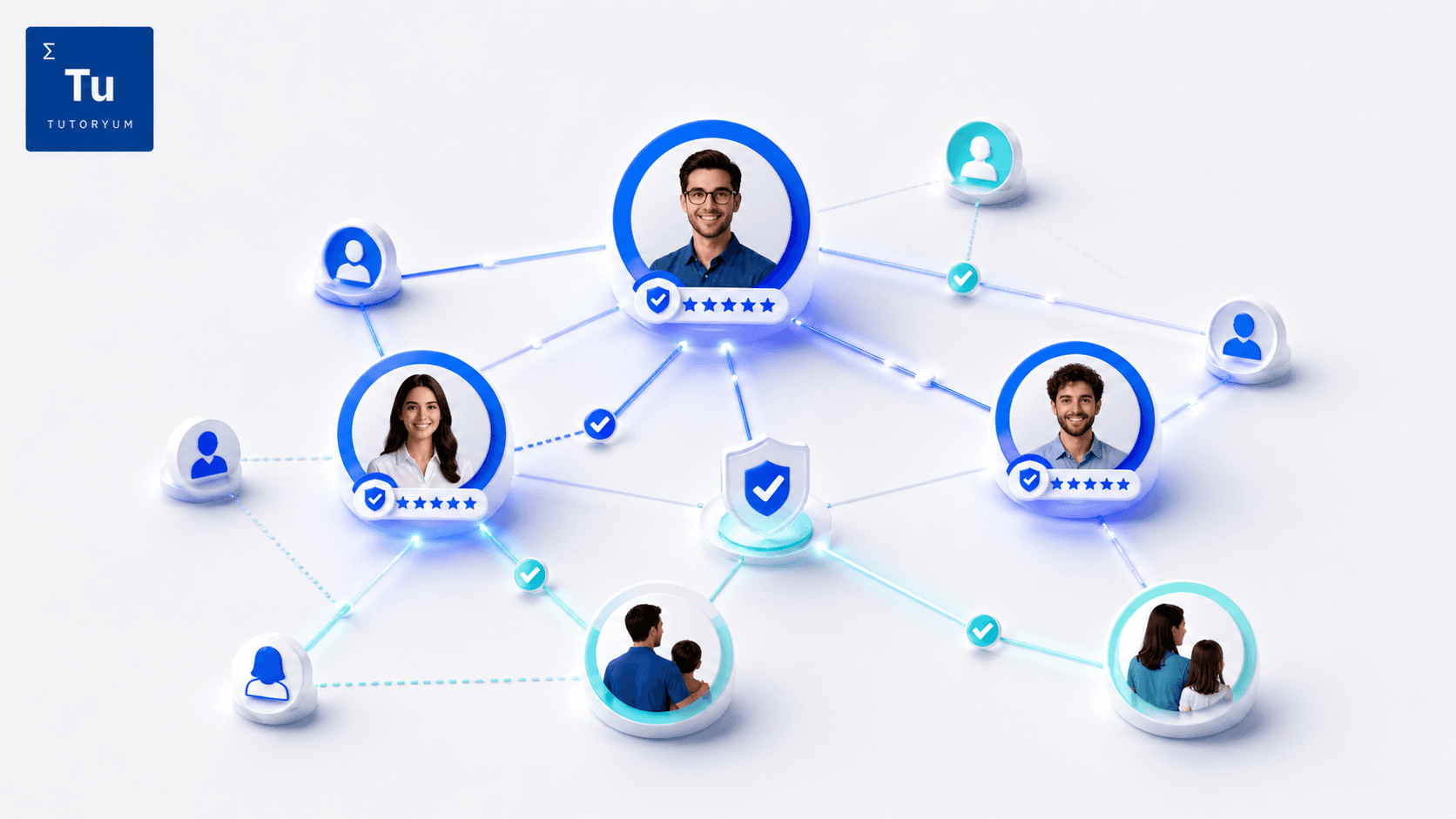
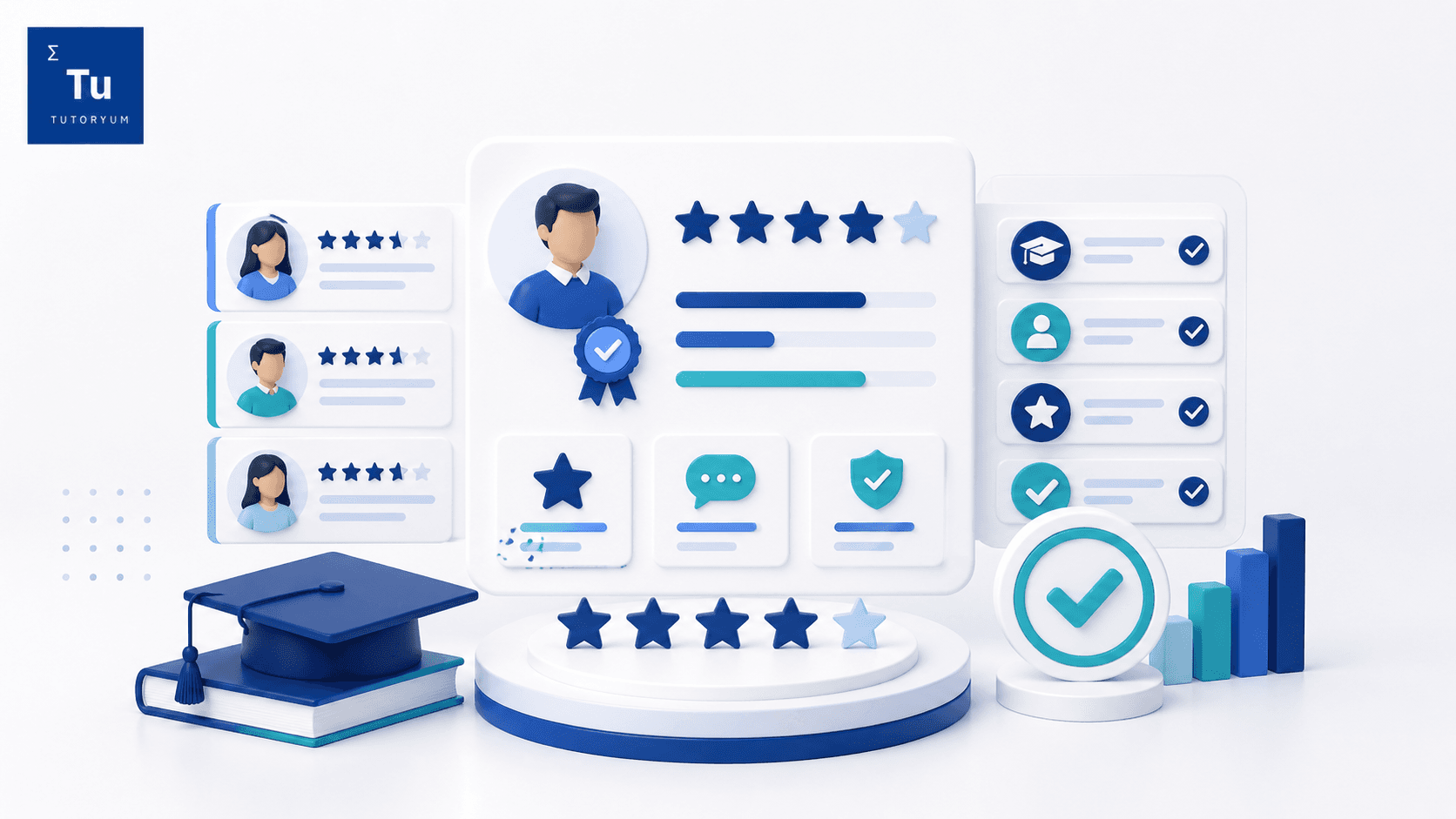
It would provide richer trust signals, including verified credentials, learning-specific reviews, and behavioral indicators like responsiveness and engagement consistency.

It would surface real-time availability so that users only evaluate tutors they can actually reach.

And it would present these elements in a way that reduces effort rather than adds it.

That is the difference between a product that lists tutors and one that actually helps students find the right one.

Why This Problem Has Not Been Solved Yet

The education discovery problem persists not because it is technically impossible to solve. It persists because solving it requires infrastructure thinking, not just product iteration.

Most education platforms are still built around profile-listing logic. Add tutors, display them, let users search. That model is easy to ship but structurally limited.

To truly improve discovery, platforms need to invest in structured supply representation, multi-variable matching logic, trust systems that go deeper than surface reviews, and coordination tools that align availability with real demand.

That level of investment requires treating the product as market infrastructure, not just as a content layer.

Why Kapseller Cares About This Space

At Kapseller, education is one of the markets we focus on because the matching problem is severe, the stakes are real, and the infrastructure gap is wide.

We believe better discovery systems can make private education more accessible, more efficient, and more fair. When the right student can find the right instructor more easily, outcomes improve for both sides of the market.

That is why we approach education not as a content play, but as a matching infrastructure challenge.

The problem is not visibility. The problem is that visibility without structure does not create good outcomes.

Final Thought

Education platforms have digitized supply. That is a start.

But discovery remains broken in most markets because platforms have not yet invested in the deeper infrastructure needed to help users find the right fit with confidence.

More profiles will not fix this. Better systems will.

And the platforms that invest in genuine matching infrastructure will be the ones that earn long-term trust from students, parents, and educators alike.

Continue reading

TutoryumApr 2, 2026

Why Finding the Right Tutor Still Depends Too Much on Personal Referrals

Even with many instructors available, private education still depends too heavily on personal referrals instead of structured discovery.

TutoryumApr 2, 2026

What Is Tutoryum?

Tutoryum is Kapseller's education platform focused on making instructor discovery more structured, accessible, and useful.

About Kapseller

Kapseller is a platform studio focused on building matching infrastructure for modern markets.

Read more from the Kapseller blog
All postsHome