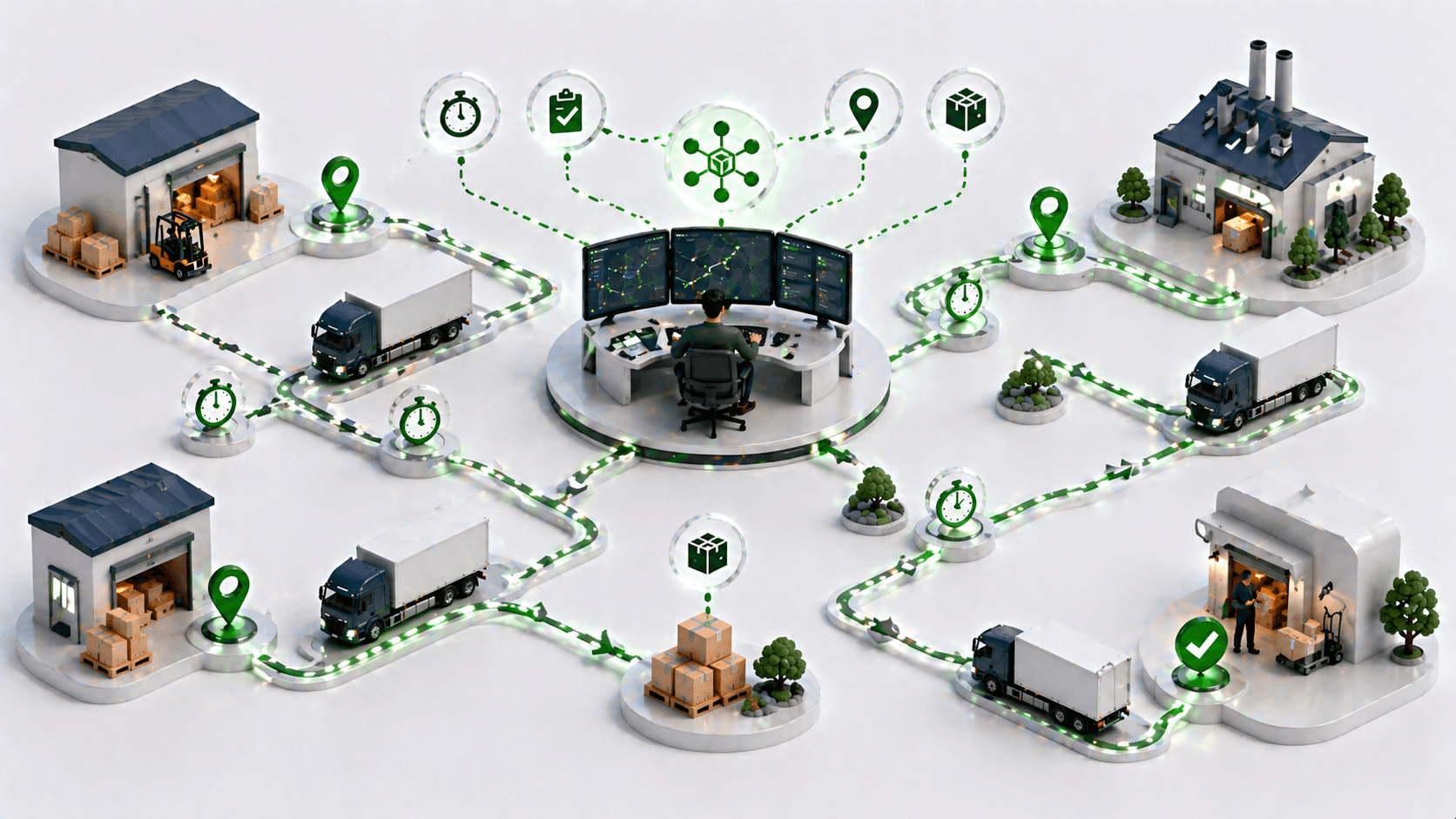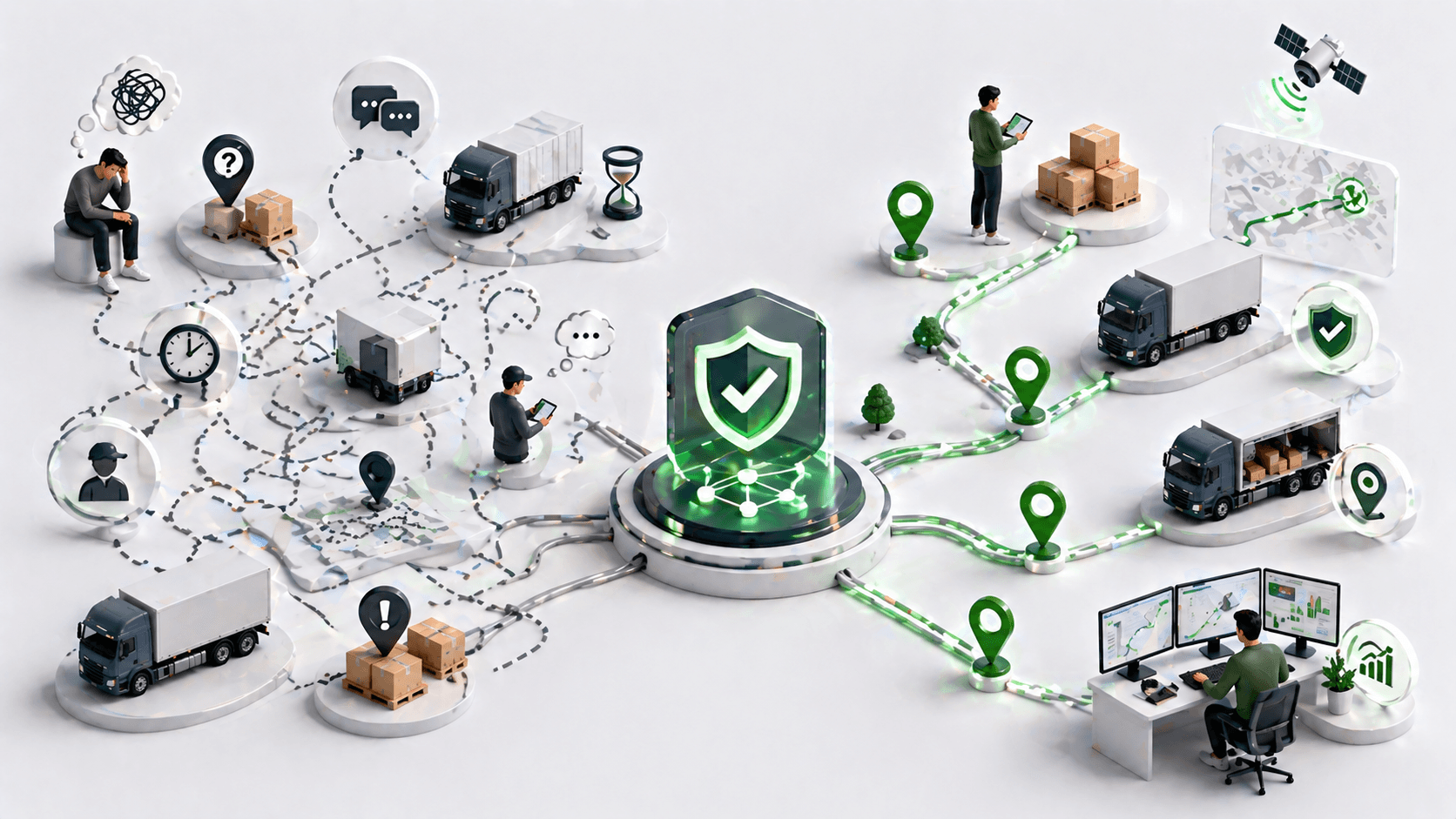
We're building Tasio because logistics still has too much friction after initial market connection. Even when supply and demand can find each other, the coordination layer often remains fragmented, slow, and difficult to interpret. Tasio is being built around the idea that better logistics requires not only visibility, but stronger coordination infrastructure.
Why logistics still feels harder than it should
Logistics is already digitized in many ways. Information moves. Participants connect. Workflows exist. But that does not automatically mean the system feels clear or efficient.
In many cases, users still deal with:
- fragmented updates
- unclear operational states
- weak comparison conditions
- repetitive communication
- uncertainty about next steps
- decisions slowed by missing context
That creates friction that platforms should be better at reducing.
Why the problem is deeper than exposure
A lot of logistics technology focuses on access and visibility. Those are important, but they are only one part of the system.
The harder problem begins after the first point of connection:
- Can the parties actually evaluate what matters?
- Is the process state understandable?
- Is coordination taking place through a clear system or through scattered manual effort?
- Does the platform reduce ambiguity or just expose it?
These are the questions that make logistics infrastructure interesting.
What Tasio is trying to improve
Tasio is being built to improve:
- coordination quality
- process visibility
- decision clarity
- operational readability
- side-to-side confidence
That means it is not just trying to create more interaction. It is trying to make interaction more workable.
Why this matters for load owners
Load owners often need more than a list of options. They need:
- better visibility into what is actually suitable
- stronger confidence in process state
- clearer comparison between realistic alternatives
- more control over decisions that affect timing and reliability
Without that, visibility becomes noisy rather than helpful.
Why this matters for the transport side too
Transport-side participants also benefit when coordination gets better. Better infrastructure can mean:
- stronger visibility into relevant demand
- less wasted effort
- clearer process expectations
- fewer avoidable back-and-forth loops
- healthier signaling around fit and readiness
That makes the platform more useful for both sides, not just one.
Why Kapseller sees logistics as a strong infrastructure category
Kapseller focuses on markets where discovery and coordination still depend on too much ambiguity. Logistics is one of the clearest examples because it often combines:
- high activity
- strong operational dependence
- repeated coordination
- time sensitivity
- visibility gaps
- trust and fit complexity
That makes it a strong candidate for better platform infrastructure.
Tasio is built from that view.
We're building Tasio because logistics still carries too much coordination friction after participants connect. The problem is not simply who is visible. It is how clearly the system supports decisions and next steps. Tasio is meant to improve that layer by making logistics coordination more visible, more understandable, and more actionable.